
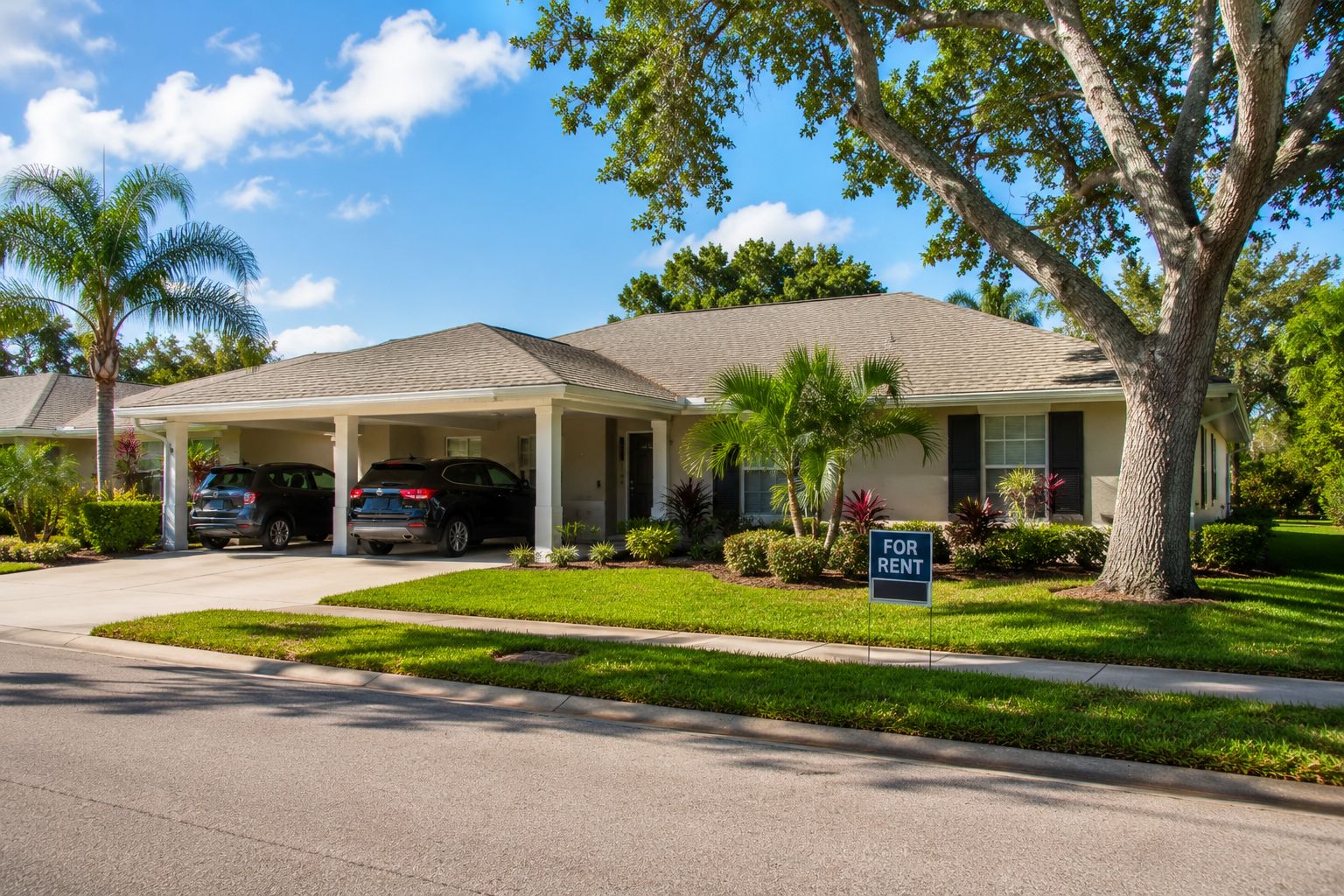
One liability lawsuit can put years of real estate investing at risk. A serious tenant injury, guest accident, or premises liability claim can threaten far more than your monthly rental income — it puts your personal assets and portfolio equity on the line. The right Florida landlord liability insurance provides the critical financial barrier needed to shield your property, your personal wealth, and your long-term growth strategy.
Quick Take: Florida Landlord Liability Insurance
- Primary Protection: Covers legal defense costs, settlements, and judgments when a tenant or visitor is injured on your rental property.
- Recommended Limits: Most Florida investors carry $1,000,000 in primary liability limits on their DP-3 policy.
- LLC & Entity Coverage: An LLC provides corporate separation but does not pay legal defense fees. Your liability policy is your first line of financial defense.
- Personal vs. Commercial Umbrella: Properties held in an LLC or Land Trust often require a Commercial Umbrella — a standard Personal Umbrella Policy may not extend to entity-held properties.
- Contractor Gap: Always require a current COI showing both General Liability and Workers’ Comp before any vendor starts work.
Why Landlord Liability Is Your Most Important Coverage
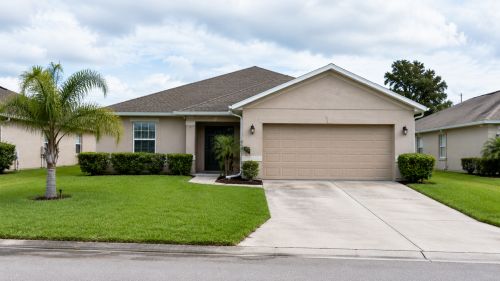
Most real estate investors focus primarily on building coverage to protect physical structures from storm or fire damage. Just as important is protecting everything your rental portfolio has helped you accumulate. Landlord liability coverage — Coverage L on a DP-3 policy — pays for legal defense costs, court fees, settlements, and judgments when you are found legally responsible for bodily injury or property damage arising from your rental property.
Physical property damage can usually be repaired or rebuilt. A large premises liability lawsuit can jeopardize your personal accounts, future rental income, and portfolio equity. Liability limits should be treated as a core component of your asset protection strategy — not just another line item on your policy.
How Much Landlord Liability Coverage Do You Need?
For most Florida real estate investors, we recommend carrying at least $1 million in primary landlord liability coverage. In many cases, increasing limits from $100,000 or $300,000 to $1,000,000 adds a modest amount to your annual premium relative to the protection gained.
Personal Umbrella vs. Commercial Umbrella: If your rental properties are deeded in your personal name, a Personal Umbrella Policy (PUP) can add an additional $1M–$5M+ of coverage above your primary policy limits. However, if your properties are held in an LLC, LP, or Land Trust, a standard personal umbrella will typically not extend to those entity-held properties. In those situations, a Commercial Umbrella or specific entity endorsements are generally required to avoid coverage gaps. We will make sure your umbrella structure matches how your properties are held.
Common Triggers for Florida Landlord Liability Claims
Florida landlords face liability exposures that go well beyond storm damage. Failure to maintain the premises (FL 83.51) can cause some common premises liability claims:
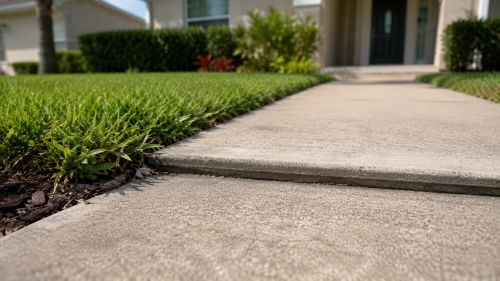
- Tenant or visitor slip-and-fall incidents on walkways, staircases, or tile entryways.
- Unsafe property conditions from deferred maintenance or broken lighting.
- Attractive nuisance hazards including pools, hot tubs, or unfenced yards.
- Structural injuries involving loose handrails, rotting deck boards, or elevated balconies.
- Falling tree limbs, loose roofing material, or other maintenance-related hazards.
- Vendor incidents where hired contractors lack adequate General Liability or Workers’ Compensation coverage.
The Contractor Coverage Gap: One exposure that catches many Florida landlords off guard involves uninsured vendors. If an uninsured handyman, roofer, or tree trimmer is injured on your property — or causes damage to a neighboring home — you can be named directly in a lawsuit. Standard landlord liability coverage may not respond cleanly to contractor worker injuries depending on policy language. Always require a current Certificate of Insurance showing active General Liability and Workers’ Compensation coverage before authorizing any work. We can help you identify where your current policy stands on this exposure.
Risk management matters, but accidents still happen. Your insurance should be built to protect both the property and the investment strategy behind it.
Landlord Liability Insurance for LLCs and Land Trusts
Holding real estate title inside an LLC or Land Trust provides corporate separation — but an LLC does not write defense checks or pay court judgments. If a tenant or guest files a lawsuit, your landlord policy’s liability coverage is your primary financial defense. Always consult a licensed Florida asset protection attorney regarding entity structure — we make sure your insurance policy correctly reflects and protects those entities.
Landlord Liability Insurance — Frequently Asked Questions
Does my LLC protect me from liability lawsuits?
An LLC creates a legal barrier between your personal assets and your rental property, but it does not replace insurance. Your LLC can still be sued, requiring legal representation and financial settlements. Whether through a personal DP-3 or a commercial policy, landlord liability coverage pays for your legal defense and covers covered claims. Always consult your attorney on entity structure — we handle the insurance side.
Is landlord liability insurance required by Florida law?
Florida state law does not mandate landlord liability insurance. However, mortgage lenders typically require it as a condition of financing. Carrying adequate liability coverage is one of the most cost-effective ways to protect your real estate equity from a single large claim.
What is the difference between landlord liability and renters insurance?
Landlord liability protects you as the property owner against lawsuits arising from premises hazards. Renters insurance (HO-4) covers the tenant’s personal belongings and their own personal liability. Many Florida landlords require tenants to maintain active renters insurance as a condition of the lease.
Does landlord liability cover tenant disputes or wrongful eviction?
Standard landlord liability coverage mainly focuses on bodily injury (physical harm) and property damage. Non-physical allegations — such as wrongful eviction, libel, slander, or invasion of privacy — often fall under Personal Injury coverage. While included in many commercial landlord policies, Personal Injury is often excluded on personal DP-3 policies unless added by a specific endorsement.
Note: Allegations of fair housing violations, intentional discrimination, or lease disputes are generally excluded across standard policies and require specialized legal risk management. We can review your policy to ensure critical endorsements like Personal Injury are in place.
Protect Your Florida Investment Portfolio
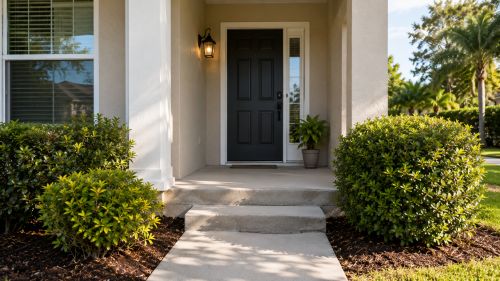
Whether you own a single-family rental, a small multifamily property, or a growing portfolio, Think Safe Insurance helps Florida real estate investors build liability protection that aligns with their investment goals. As an independent Florida insurance agency, we shop top-rated carriers to find the right combination of coverage and value for your properties.
Call us at 813-425-1626 or click below to get started.
When you think insurance… Think Safe!


 | Reviewed by Greg Martin Greg Martin has over 18 years of experience helping Florida families and real estate investors navigate home, landlord, flood, and liability insurance. He is the owner of Think Safe Insurance. |
Last Reviewed: August 2026